BlogSavings Tips

How to Save Money on
Supplements Online

The global supplement market is worth over $170 billion (Grand View Research, 2024), and 55–58% of US adults take supplements regularly (CRN Annual Survey). With prices fluctuating 15–30% year-round, timing your purchases makes a real difference. Here are 7 strategies backed by consumer research, pricing studies, and e-commerce data — not guesswork.

Last updated: April 2026

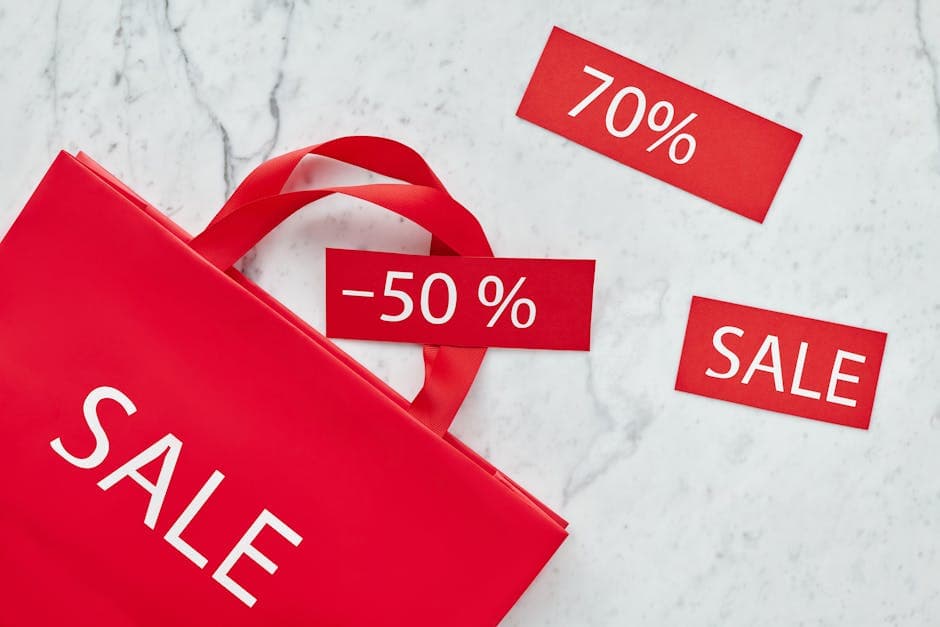
Shopping bag and discount cards with percentages for promotional sale

Photo by Max Fischer on Pexels

1

Track Prices and Buy on the Dip

E-commerce prices are not static. A study by pricing intelligence firm Minderest found that online retailers change prices on a given product every 3–5 days on average. On Amazon alone, Profitero reported approximately 2.5 million price changes per day across the catalog.

Supplement prices follow the same pattern. A $30 bottle of fish oil might drop to $22 during a brand sale, then return to full price a week later. Without tracking, you would never know the drop happened.

Use a price tracker like PriceDrop to monitor the supplements you buy regularly. Set a target price 15–25% below the current price and wait. Based on typical sale cycles, most products hit that level within 1–3 months.

2

Time Your Purchases Around Sale Events

Not all sale events are equal. A Which? UK investigation (2023) analyzed 214 Black Friday deals and found that 86% of products were available at the same price or cheaper in the six months prior. Only 14% were genuinely at their lowest price.

For supplements, the best documented sale events are: Black Friday and Cyber Monday (November), Singles Day (November 11, especially on iHerb), and post-holiday clearance (late January–February). Adobe Analytics reported average e-commerce discounts of 31% for electronics and 23% for general retail during Cyber Week 2023 — supplements typically see 20–30% during these periods.

Avoid buying in January when "New Year, New Me" demand drives prices up for weight loss and wellness supplements.

3

Compare Across Platforms

A 2019 Google Shopping study found that consumers who comparison-shop save approximately 30% compared to buying at the first price they see. This applies directly to supplements — the same product often has different prices on iHerb, Amazon, Walmart, and brand websites.

Statista (2022–2023) reported that 91% of US consumers compare prices online before purchasing, but fewer take the extra step of checking across multiple supplement retailers. iHerb house brands (California Gold Nutrition, Lake Avenue Nutrition) are typically 30–50% cheaper than equivalent name brands, making iHerb especially competitive for generic supplement formulations.

4

Stack Discounts Strategically

Most supplement retailers offer multiple discount mechanisms that can be combined or sequenced. On iHerb, for example: new customers get 20–25% off their first order, the loyalty program returns approximately 5% back in credits, and weekly brand sales add another 15–20% off.

The key is sequencing: use first-order discounts for your largest initial purchase, then leverage loyalty credits and sale timing for repeat orders. Avoid wasting a new-customer discount on a small order.

5

Buy Store-Brand Equivalents

The supplement industry has significant brand premiums. iHerb's house brands (California Gold Nutrition, Lake Avenue Nutrition) offer formulations comparable to name brands at 30–50% lower prices. Amazon's "Amazon Elements" and Costco's "Kirkland Signature" follow the same model.

For commoditized supplements like vitamin D, omega-3, magnesium, and protein powder, the active ingredients are largely identical across brands. The US supplement market is worth $55–60 billion annually (Nutrition Business Journal), and a meaningful portion of that premium goes to branding rather than product differentiation.

6

Avoid the Browser Extension Trap

Browser extensions like Honey (17 million users at its 2020 acquisition by PayPal for $4 billion) and Karma promise automatic savings. However, these tools focus on coupon codes — not price tracking. Honey was exposed in a cookie-stuffing scandal in 2024–2025 where the extension secretly replaced affiliate cookies from content creators, leading to over 8 million users uninstalling it.

Coupon-focused tools help at checkout but miss the bigger savings opportunity: buying when the base price itself is lowest. A 15–25% price drop on the product beats a 5% coupon code applied to a full-price purchase.

Cloud-based price trackers that require no browser extension (like PriceDrop) monitor actual prices without the privacy concerns of extensions that can access your browsing data.

7

Set a Monthly Budget and Batch Orders

Shipping thresholds create a hidden cost in supplement buying. Most retailers offer free shipping above a certain order value — iHerb's threshold varies by region but is typically $20–$40. Placing frequent small orders means paying shipping each time.

Batch your supplement purchases into monthly or bi-monthly orders that exceed the free shipping threshold. Combine this with price tracking: when one of your tracked products hits its target price, check if others are also on sale and bundle them into a single order.

The Baymard Institute found that 48–49% of online shopping cart abandonments are driven by extra costs like shipping. Batching eliminates this friction and reduces per-unit cost.

The Numbers Behind Supplement Savings

91%

Of consumers compare prices online before purchasing

Source: Statista, 2022–23

30%

Average savings from comparison shopping

Source: Google Shopping, 2019

$4.7B

Cumulative savings reported by Honey users

Source: PayPal, 2021–22

86%

Of Black Friday deals NOT genuinely the cheapest

Source: Which? UK, 2023

48–49%

Cart abandonments caused by extra costs (shipping)

Source: Baymard Institute

30–50%

Store-brand supplement savings vs name brands

Source: Market observation

Frequently Asked Questions

How much can I save on supplements by tracking prices?

Supplement prices typically fluctuate 15–30% throughout the year. For regular buyers spending $100–$200 per month, tracking prices and timing purchases around sales events can save $200–$600 per year. Google Shopping research (2019) found that consumers who comparison-shop save approximately 30% compared to buying at the first price they encounter.

What is the cheapest way to buy supplements online?

The cheapest approach combines three strategies: (1) use store-brand equivalents instead of name brands for a 30–50% savings, (2) track prices and buy during sale events like Black Friday or weekly brand deals for another 15–25% off, and (3) batch orders to avoid paying shipping on each purchase. Tools like PriceDrop automate the price tracking step.

Are iHerb supplements cheaper than Amazon?

It depends on the product. iHerb house brands (California Gold Nutrition, Lake Avenue Nutrition) are often 30–50% cheaper than equivalent name brands on Amazon. For name-brand supplements, prices vary — sometimes Amazon is cheaper, sometimes iHerb. The best approach is to compare across both platforms and track prices on whichever is lower.

When is the best time to buy supplements online?

The best times are Black Friday, Cyber Monday, and Singles Day (November) when discounts average 20–30%. Post-holiday clearance (late January–February) is also good. Avoid buying in early January when "New Year" demand drives up prices for wellness supplements. Weekly brand sales on platforms like iHerb create smaller but frequent price drops year-round.

Do supplement prices go down?

Yes. Supplement prices fluctuate regularly through sales events, brand promotions, seasonal demand changes, and inventory clearance. E-commerce retailers change prices on individual products every 3–5 days on average (Minderest, 2017). A $30 supplement can drop to $20–$25 during a sale and return to full price within a week.

Start Saving on Supplements

Paste any supplement URL from iHerb, Amazon, or any store. Set your target price. Get emailed when it drops. Free.

Track Supplement Prices Free